Laboratory and Greenhouse Innovation
Our Approach: Working With Nature, Not Against It
Many native plants in the Yukon—including berries and other long-lived plants—naturally reproduce through suckers, runners, and clonal offshoots that help them spread, recover after disturbance, and survive tough northern conditions. These new plants come from the same parent but grow within a rich and diverse ecosystem shaped by the land, climate, and time.
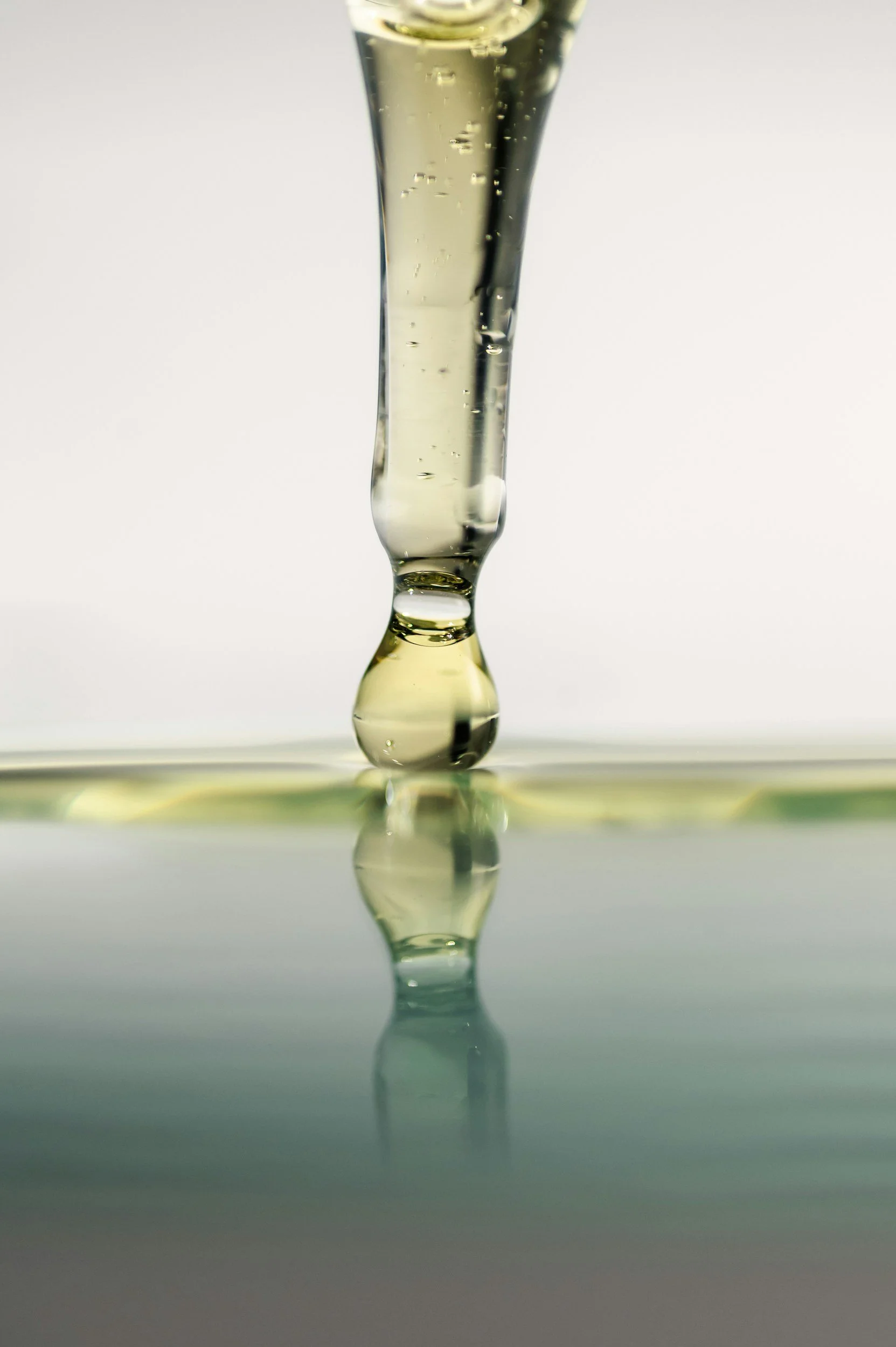
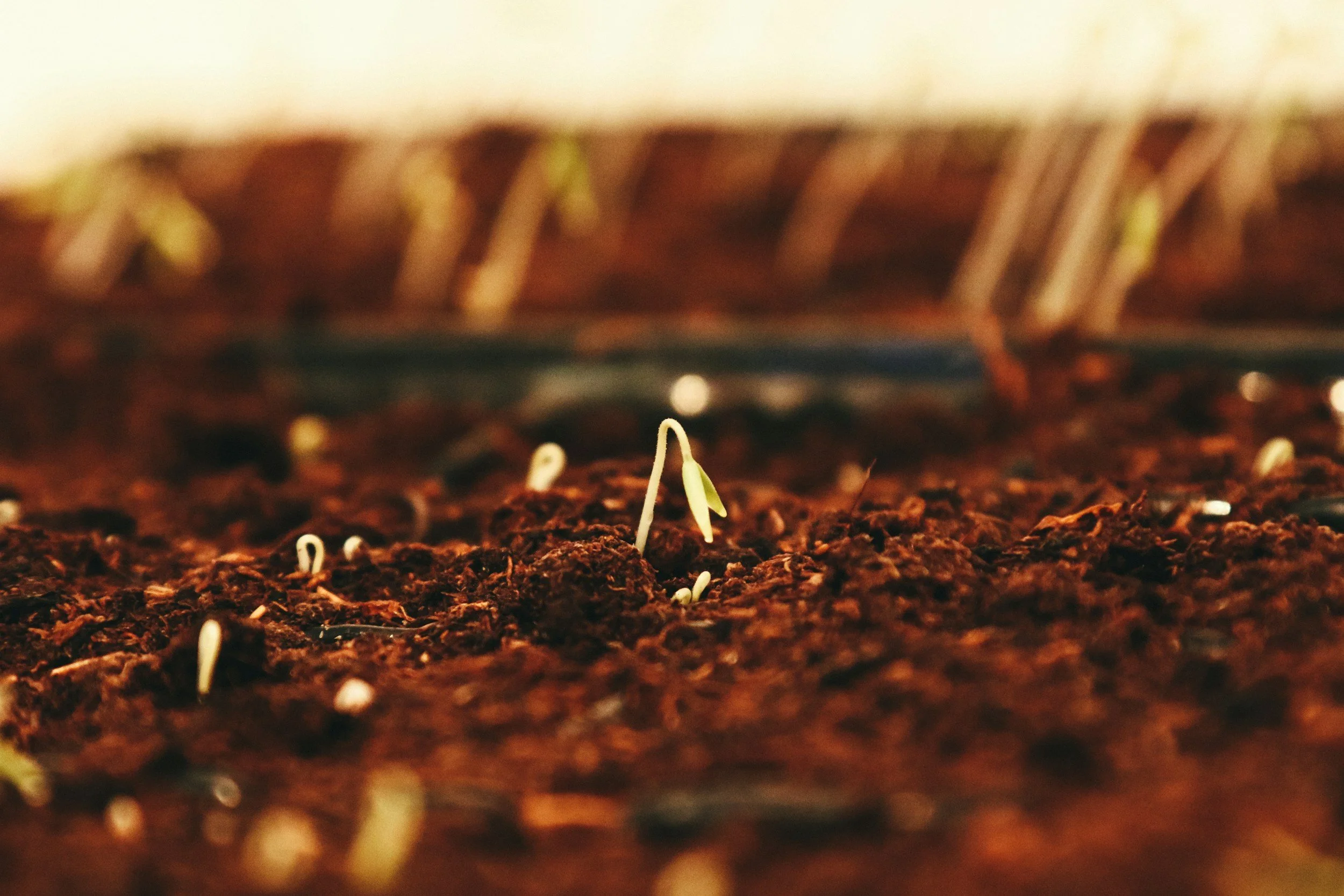
Plant tissue propagation mirrors naturally occurring regeneration pathways
Rather than altering or engineering plant genetics, the process simply provides controlled conditions—clean water, nutrients, and light—that allow existing plant tissues to express the same regenerative capacity they already possess in the wild. In this way, plant tissue propagation emulates what happens underground or at the forest floor, where plants quietly clone themselves to survive, spread, and recover.
Rather than changing what a plant is, plant tissue propagation supports how plants already grow—by offering a protected environment during their earliest and most vulnerable stages. No genes are added, removed, or modified. The plants produced through this process are equivalent to those created through natural runners or suckers, simply supported until they are ready to return to the land.
A conservation approach aligned with First Nations plant resilience and land stewardship
Plant tissue culturing is not a replacement for nature—it is a respectful tool that supports natural regeneration, reduces pressure on wild harvesting, and helps safeguard culturally important species, including berries, for future generations while honouring their natural diversity and ecological roles.
Research Partners
Equally important, we work with many individual parent plants from different locations and habitats, ensuring that local genetic diversity is preserved rather than narrowed. Plant tissue culturing allows conservation and restoration to occur without interfering with natural genetic variation, helping protect wild berry populations from climate stress, habitat disturbance, and overharvesting. This work is guided by the understanding that the land already knows how to regenerate.
Our role is not to replace natural systems, but to support them—carefully, respectfully, and in partnership with communities—so that wild spicies remain abundant for future generations as food, medicine, and cultural connection.
To carry out this work responsibly and at a scale that supports conservation and food security, we collaborate with Replic8, a Whitehorse Yukon based laboratory specializing in plant tissue culture. This partnership provides technical expertise and rigorous quality standards, while our work remains grounded in community priorities, local plant knowledge, and respect for natural systems.

What the Research Says
Scientific research shows that in vitro technologies can support plant regeneration in ways that lign with natural processes and, when applied thoughtfully, respect the socio-cultural context in which plants hold meaning for Indigenous Peoples. As one peer-reviewed conservation review states, “in vitro technologies are potentially useful tools in biocultural conservation if they are deployed in a manner respectful of the socio-cultural context in which plants play a role,” indicating that these approaches must be developed in consultation with Indigenous communities and their knowledge systems (Kulak, Longboat, Brunet, Shukla, & Saxena, 2022).
Furthermore, in vitro culture has been highlighted as a powerful tool for biodiversity conservation and species recovery because it allows the preservation and propagation of plant genetic resources outside their natural habitats while maintaining genetic diversity and viability (Tarraf & De Carlo, 2024). Conservation science literature also emphasizes that “biocultural heritage […] reflects the holistic worldviews of Indigenous Peoples,” linking Indigenous values of land stewardship, cultural continuity, and ecological balance to effective conservation outcomes (Swiderska et al., 2025). Together, these studies support the idea that in vitro culturing can be implemented in ways that honour First Nations values of respect, reciprocity, and long-term stewardship by enhancing food security and conserving culturally important species without interfering with their natural diversity.
Kulak, V., Longboat, S., Brunet, N. D., Shukla, M., & Saxena, P. (2022). In vitro technology in plant conservation: Relevance to biocultural diversity. Plants, 11(503).
Tarraf, W., & De Carlo, A. (2024). In vitro biotechnology for conservation and sustainable use of plant genetic resources. Plants, 13(14), 1897.
Swiderska, K. L., et al. (2025). Biocultural well-being: Indigenous Peoples’ values for nature conservation and equity. Ecology and Society, 30(4), Article 26.