
Indigenous-Led Healthy Berry Ecosystems
& Northern Food Sovereignty

Observation
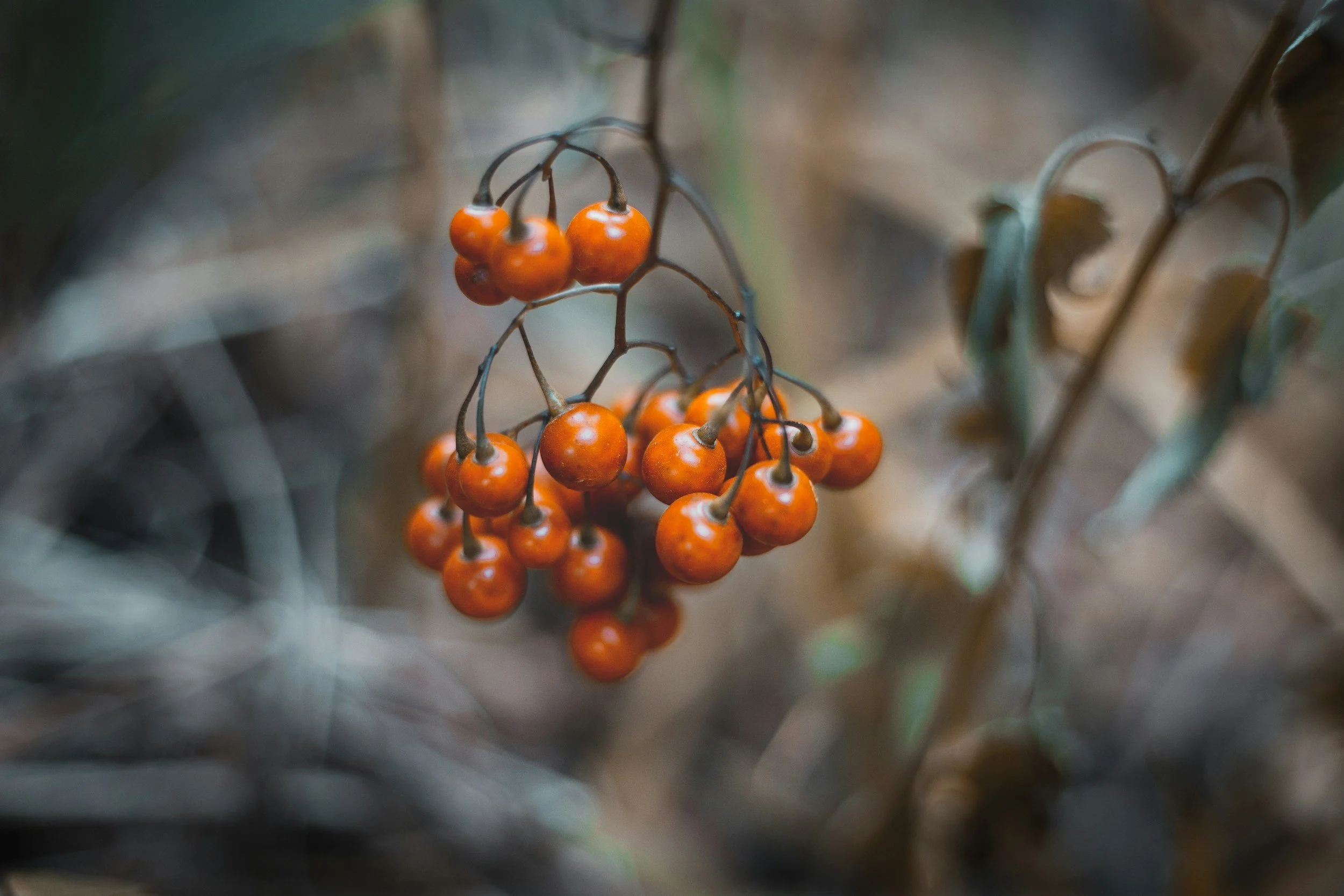
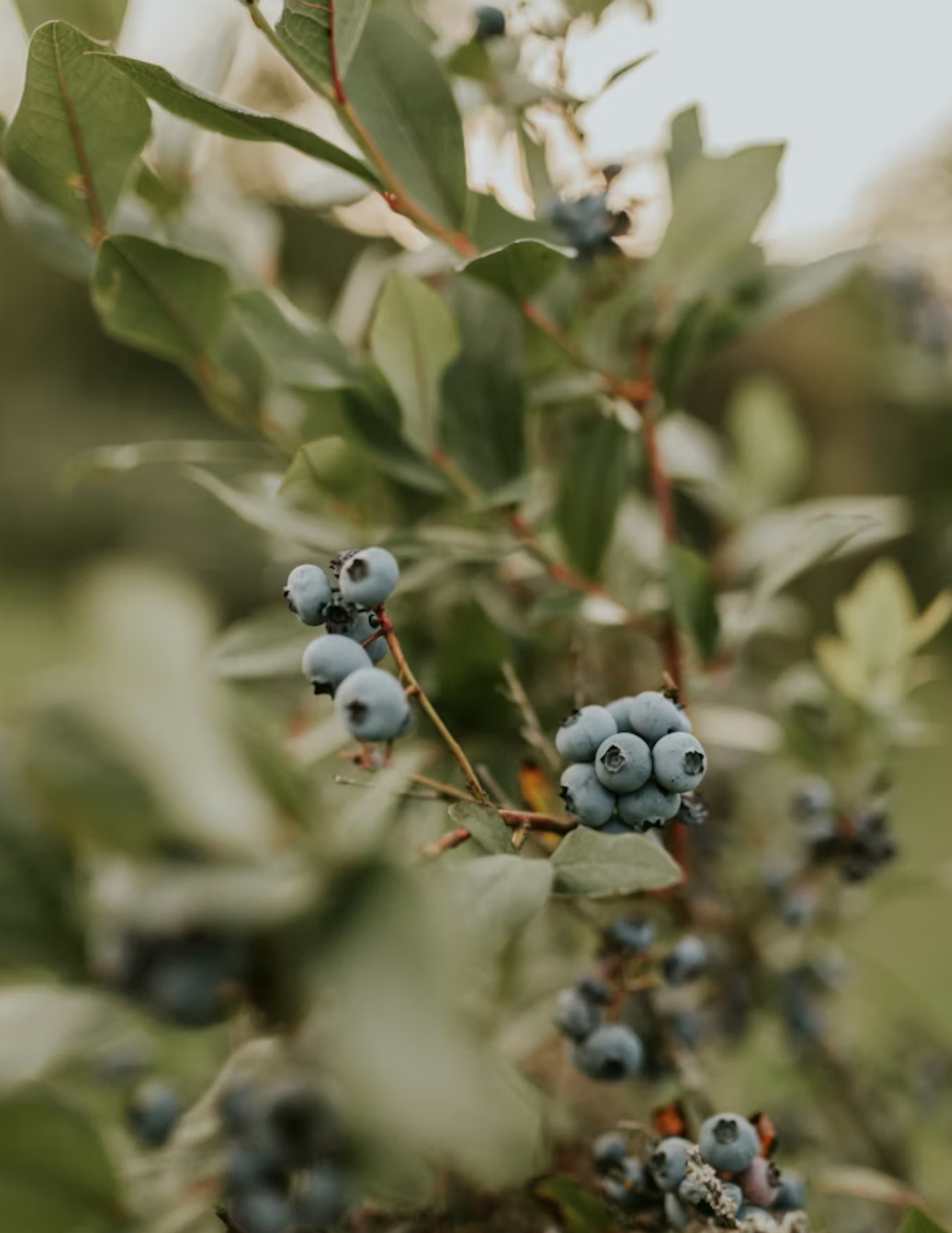
Across Northern Canada, wild berry populations are changing in ways that many harvesters and Elders find deeply concerning. People are seeing lower yields, berries ripening at unusual times, and important species—like low-bush cranberry and Saskatoon—appearing smaller, less abundant, or growing in unexpected places. These shifts affect Indigenous food security, cultural continuity, and local wildlife that depend on berries for survival.
Elders often describe these changes as berries “moving.” Their stories reflect what science is also observing: climate change, altered rainfall, chemicals transported by rains, warmer seasons, fires, pests, soil depletion, and habitat loss are interacting in complex ways that reshape northern ecosystems.
Why Research
Matters
Most scientific studies examine these issues one piece at a time. Few bring together the depth of Traditional Ecological Knowledge (TEK) with modern ecological and genomic tools—and even fewer place Indigenous communities in the lead. This gap makes it harder to create meaningful, long-term conservation strategies grounded in local reality and cultural responsibility.
Néyà was created to help change this.
Our Goal
To create sustainable conservation strategies that strengthen:
ecological integrity
Indigenous food sovereignty
local economies
cultural knowledge systems
Guided by community leadership and scientific partnership, this long-term effort reflects a shared responsibility to steward the plants that have nourished northern peoples for generations.
Plant Tissue Propagation: An Innovative Approach to Conservation
Working With Nature,
Not Against It
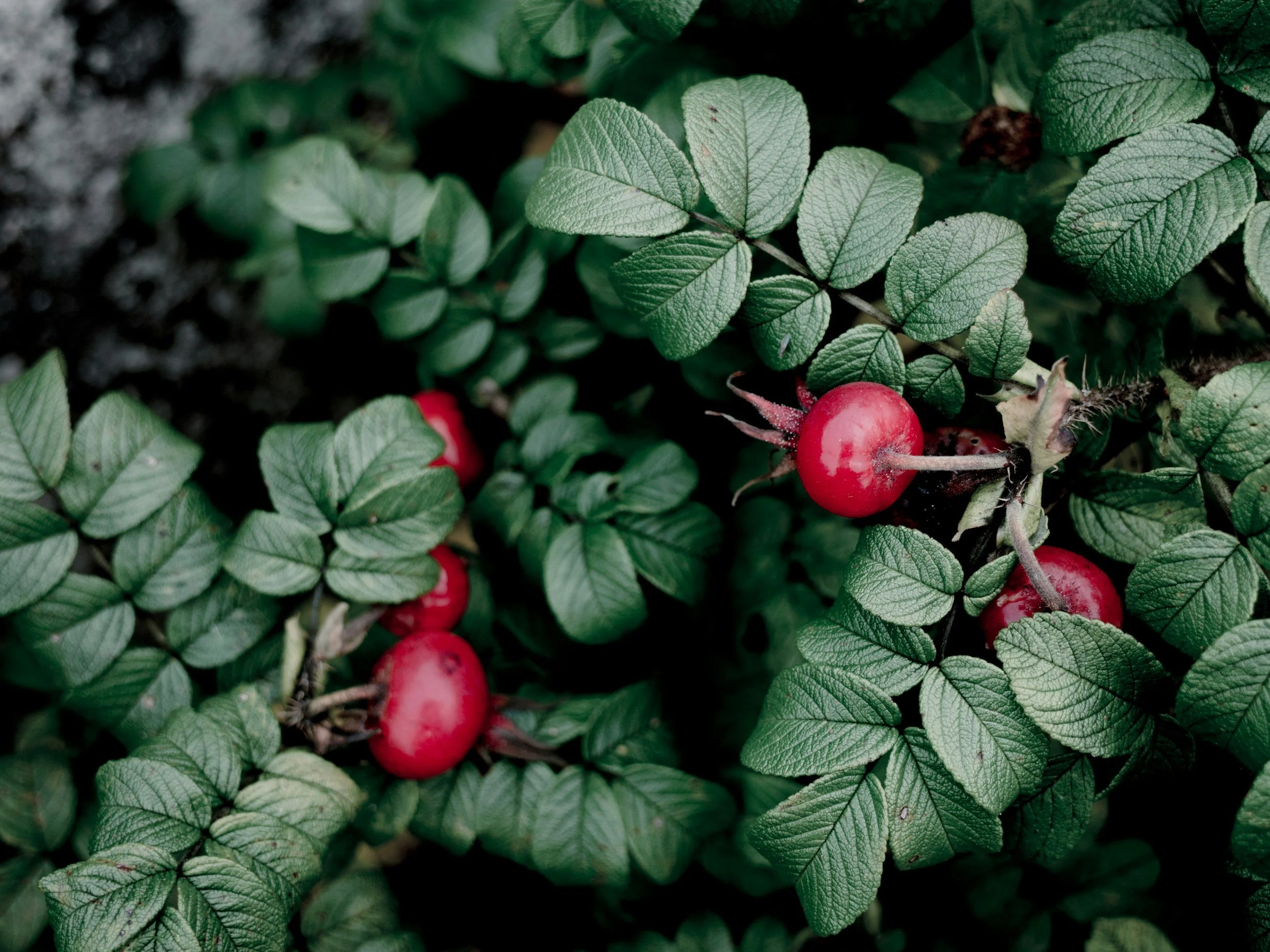
Many Yukon wild berry species—such as blueberry, cranberry, crowberry, and saskatoon—naturally reproduce through suckers, runners, and clonal offshoots. These processes allow healthy plants to extend themselves across the land, recover after disturbance, and persist through harsh northern conditions. Each new shoot is genetically identical to the parent plant, yet exists within a wider, naturally diverse ecosystem shaped by place, climate, and time.
How Plant Tissue Propagation Works
Plant tissue propagation supports how plants already grow in nature by providing a protected, non-genetic environment—clean water, nutrients, and light—that mirrors natural regeneration processes, aligns with First Nations understandings of land stewardship, reduces pressure on wild harvesting, and helps safeguard culturally important berry species for future generations.
At Néyà, we work with Replic8, a Whitehorse-based plant tissue culture laboratory, to ensure this work is carried out responsibly, at scale, and in alignment with conservation, food security, and community priorities
Yukon Edible Berries
*
Yukon Edible Berries *
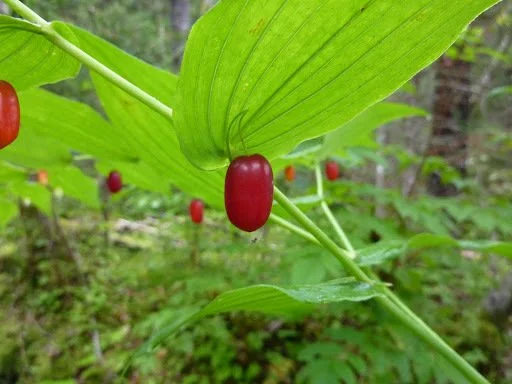
Twisted Stalk (Streptopus spp.)
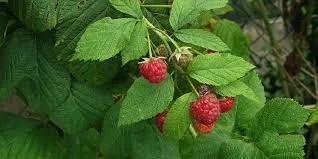
Raspberry (Rubus spp.)
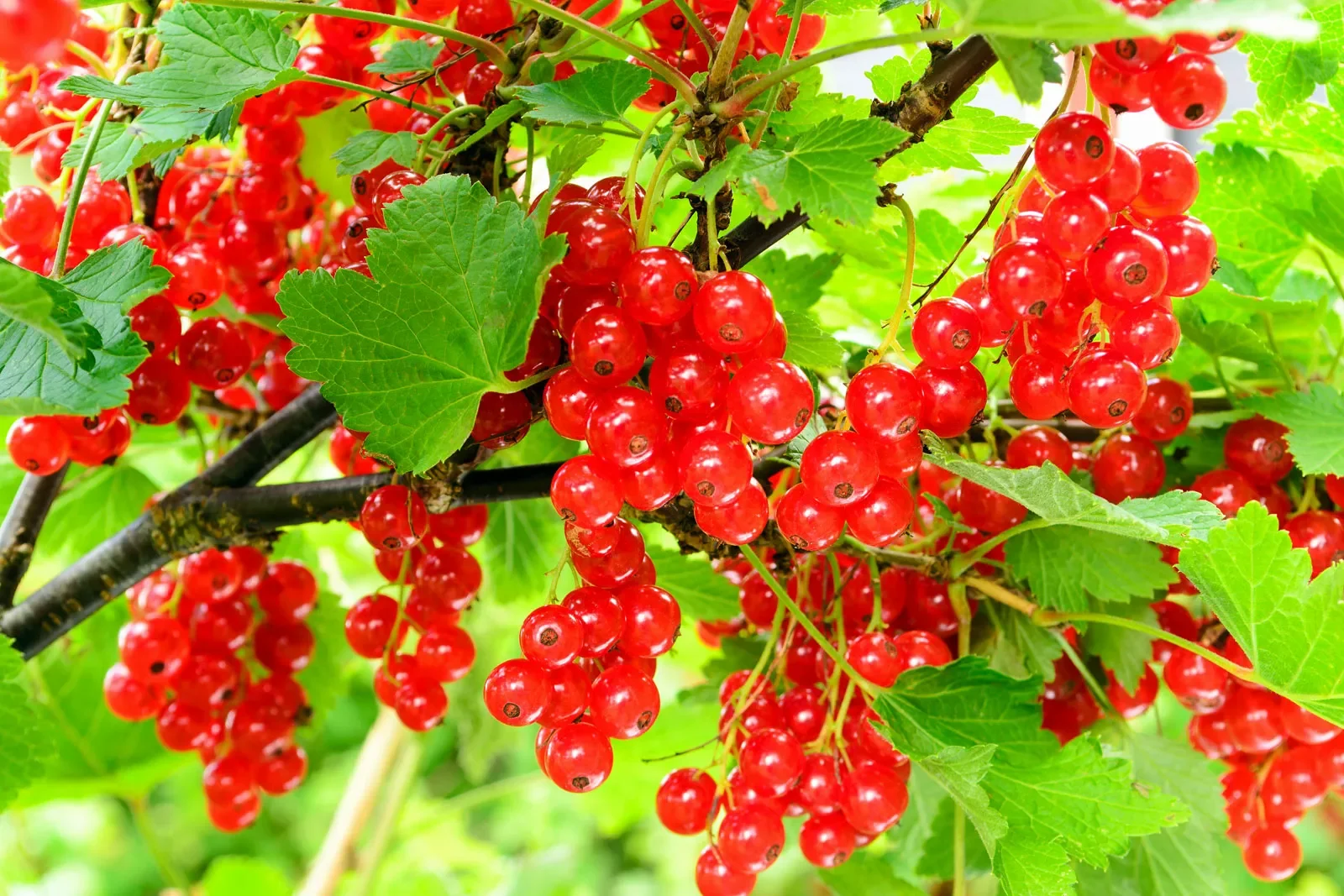
Red Currant (Ribes spp.)
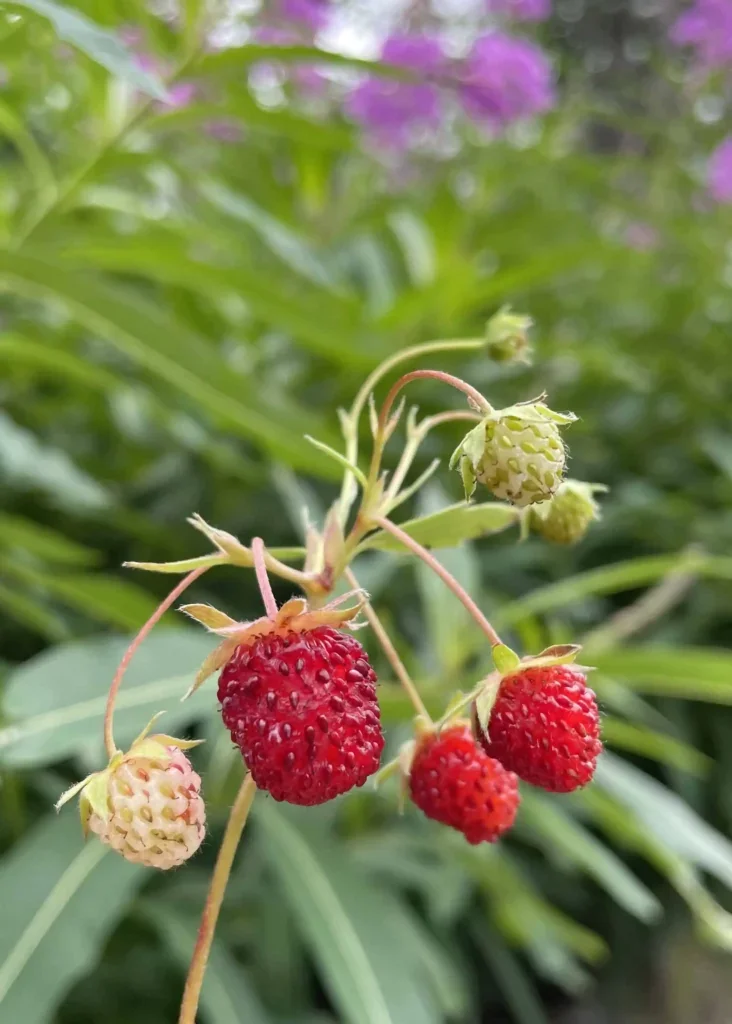
Strawberry (Fragaria spp.)
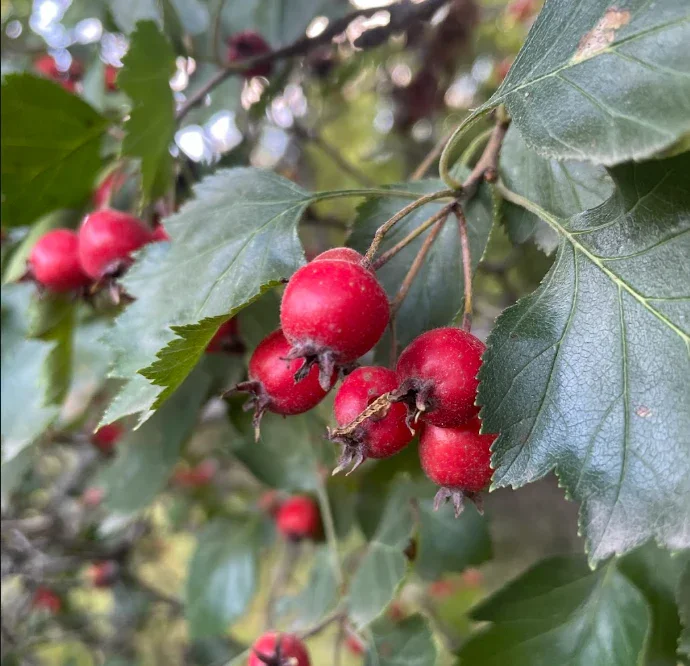
Hawthorn (Crataegus spp.)
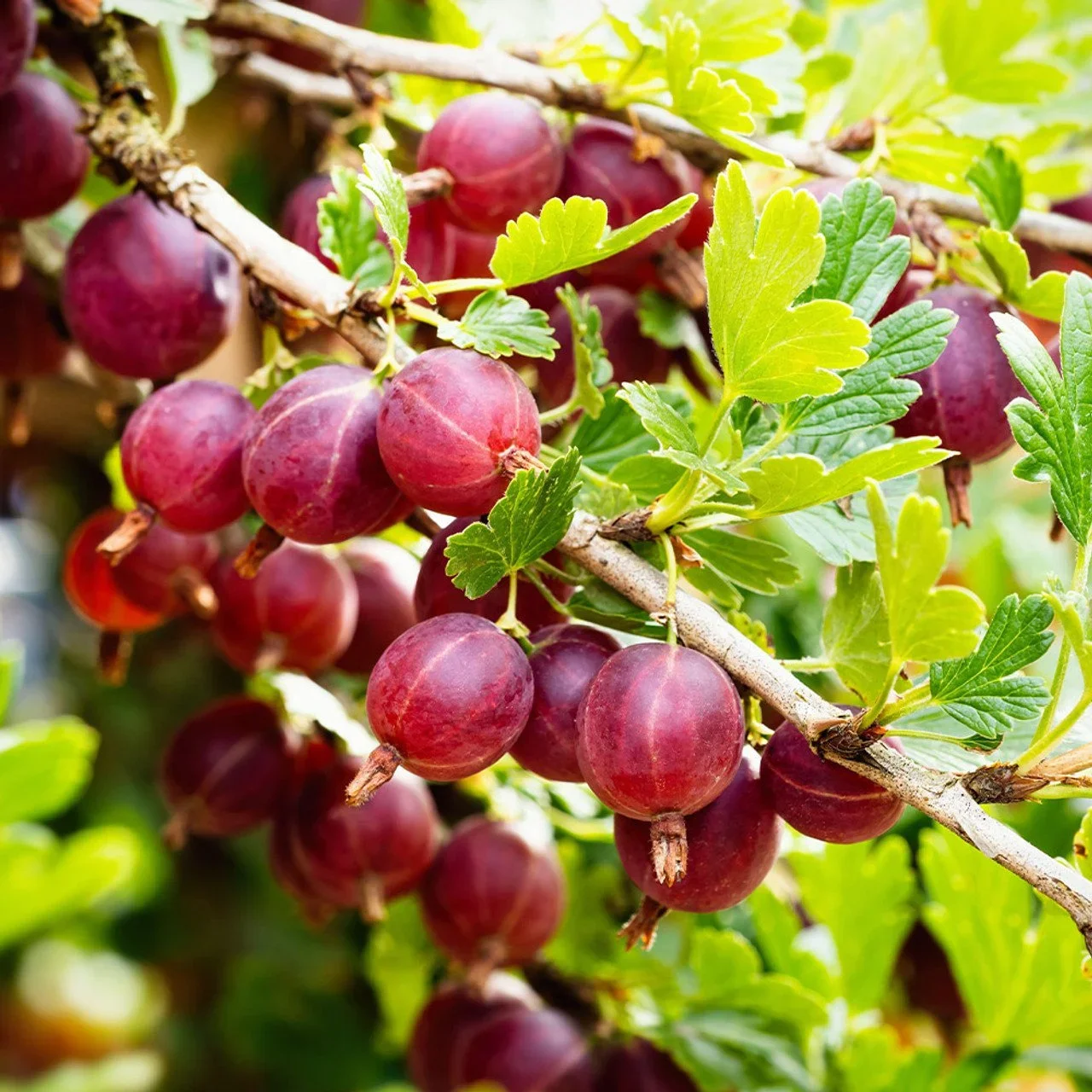
Gooseberry (Ribes spp.)
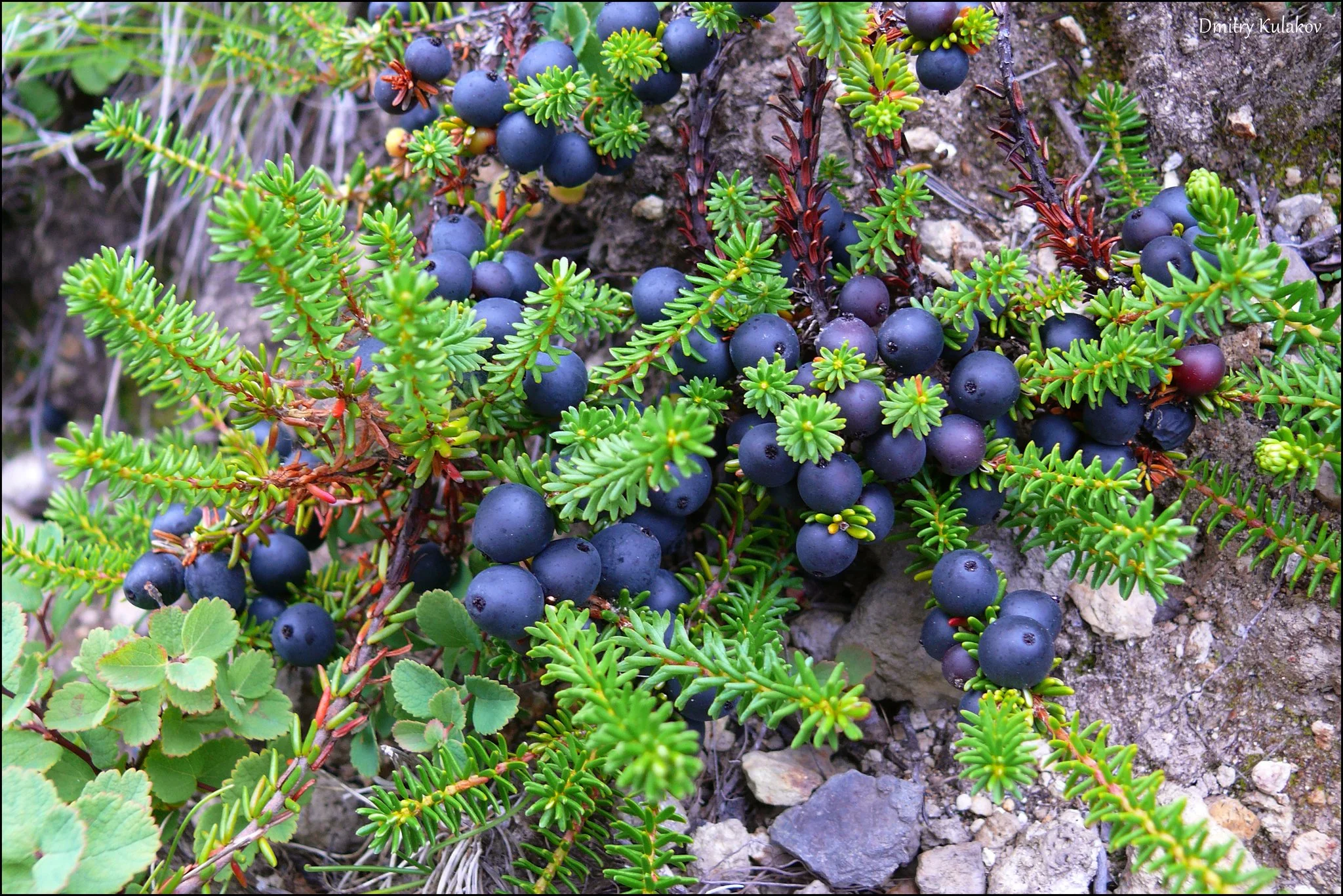
Crowberry (Empetrum nigrum)
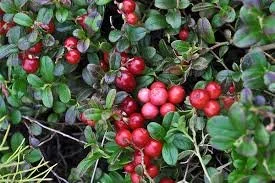
Cranberry (Vaccinium spp.)
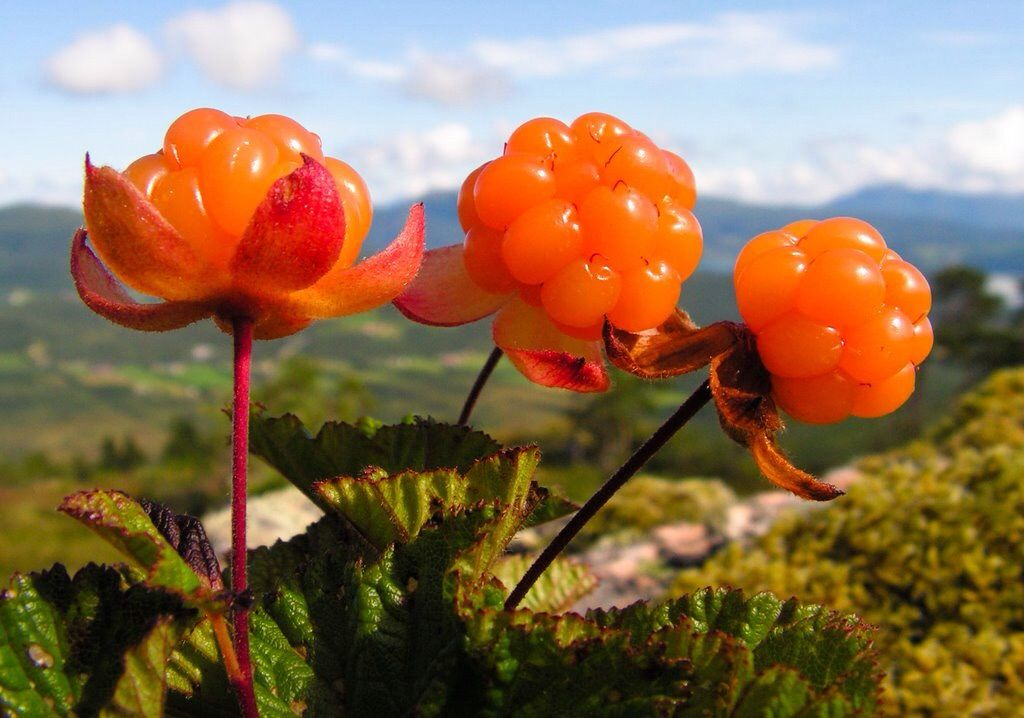
Cloudberry (Rubus chamaemorus)
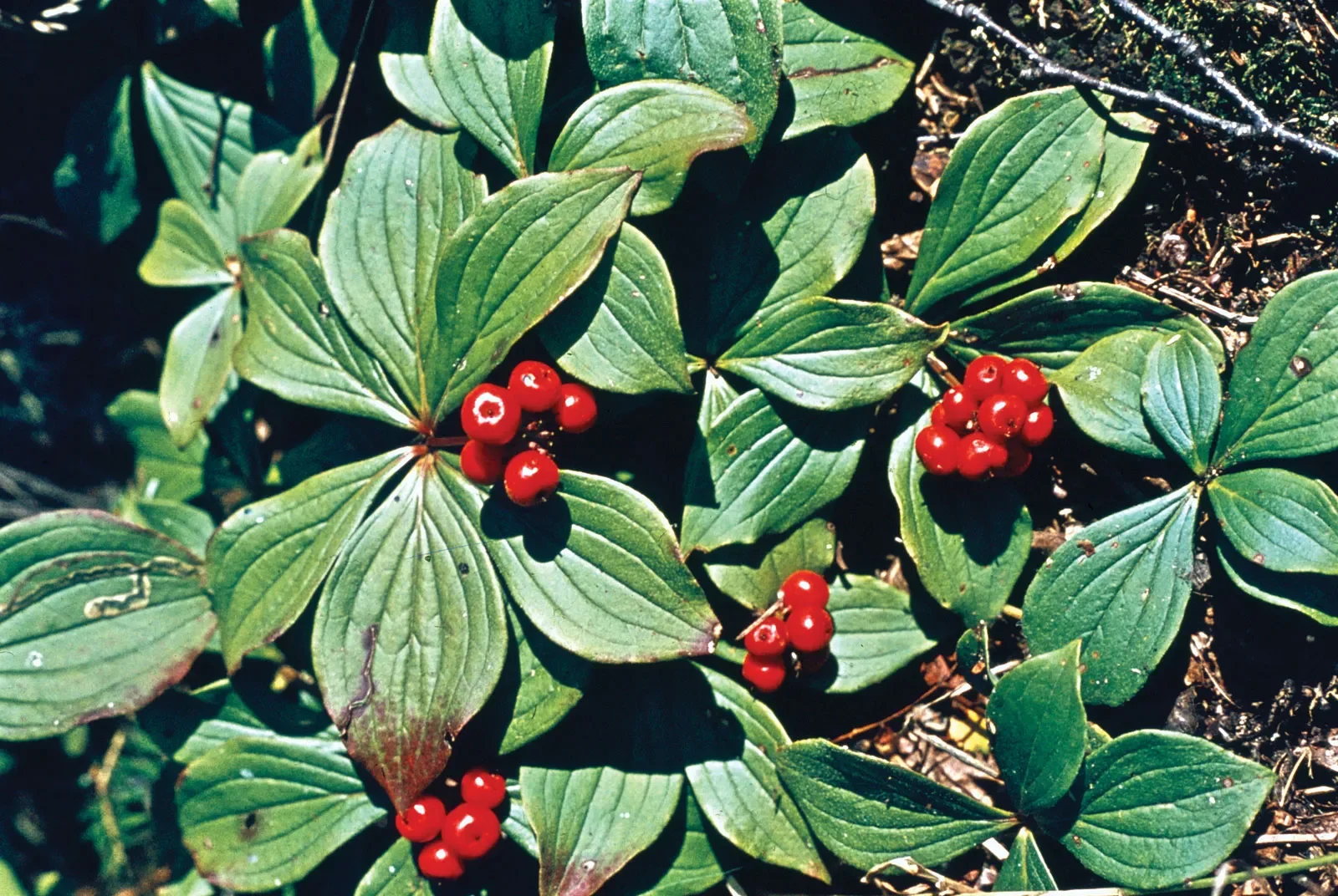
Bunchberry (Cornus canadensis)
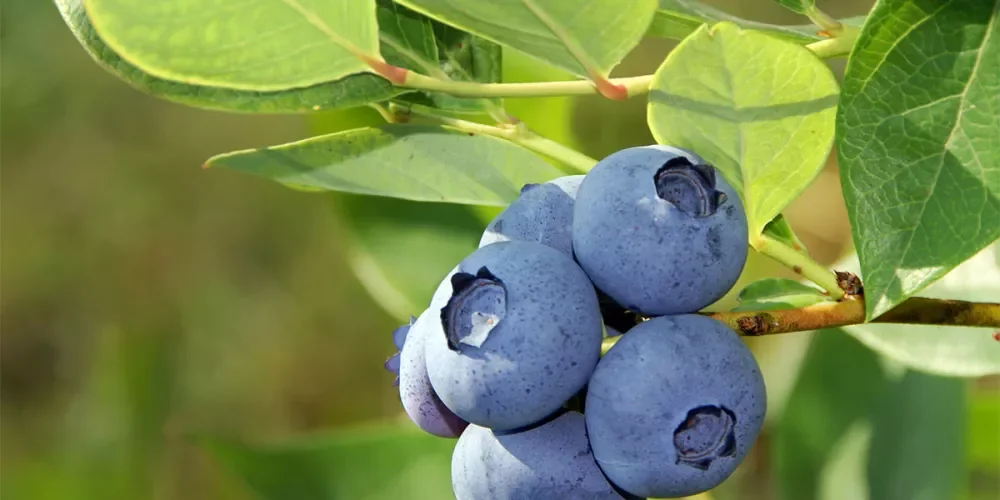
Blueberry (Vaccinium spp.)
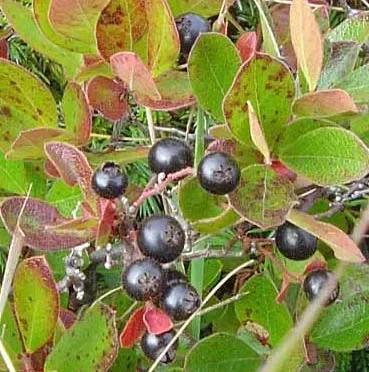
Black Huckleberry (Vaccinium spp.)
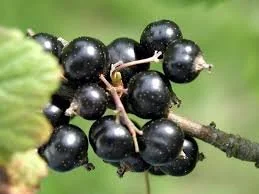
Black Currant (Ribes spp.)
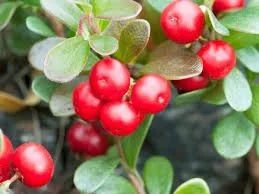
Bearberry (Arctostaphylos spp.)
Meet our Partners
-

National Research Council of Canada
-

Northstar Agriculture
-

Teslin Tlingit Council
-

Acadia University
-
UBC Botanical Garden
-

Dr. Zoë Migicovsky
Have a question? Interested in bringing it to your community?
Contact us
Interested in working together? Fill out some info and we will be in touch shortly. We can’t wait to hear from you!